
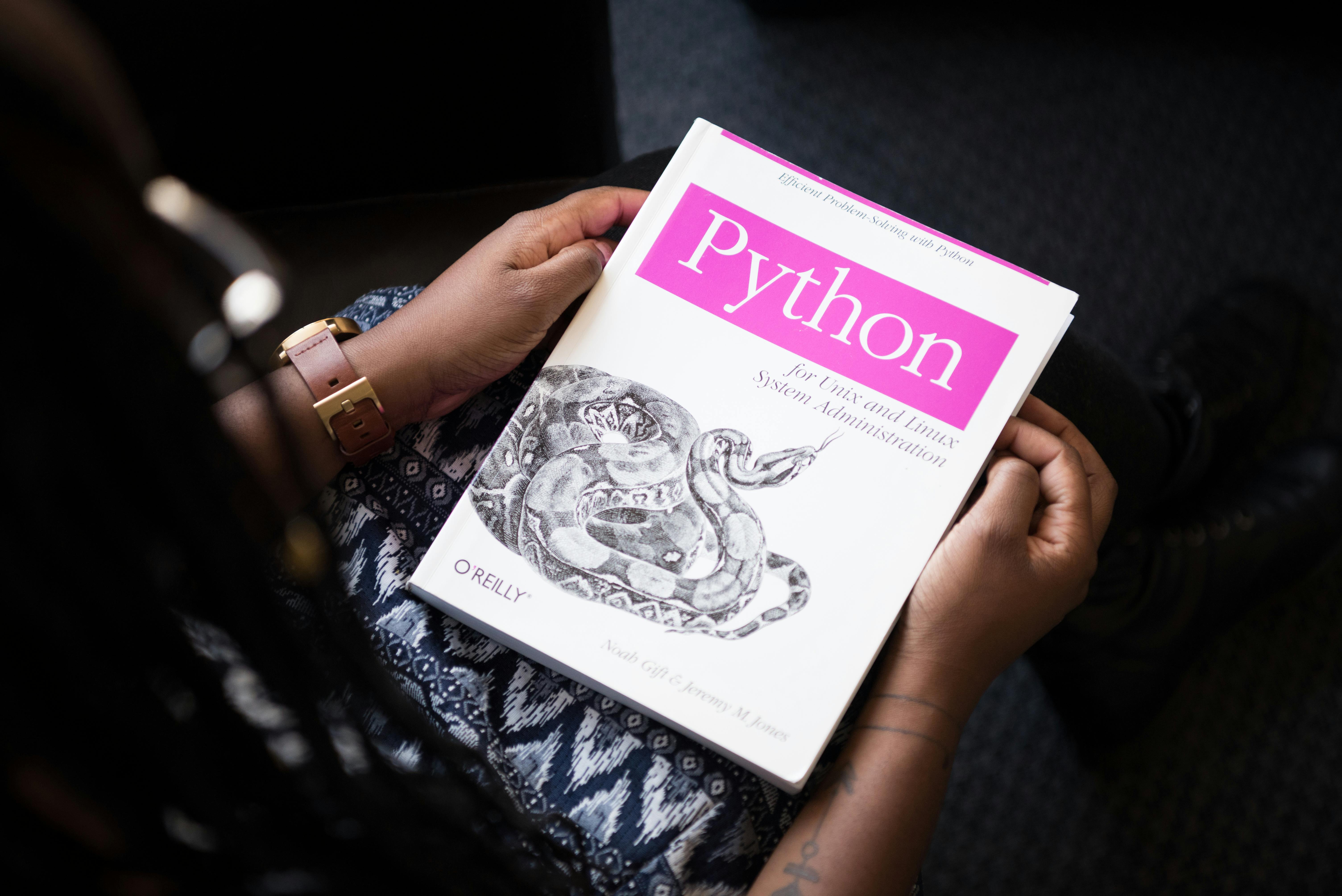
An epigraph is a short quotation or saying at the beginning of a book, chapter, or other literary work that sets the tone or suggests the theme of what follows. These brief but powerful phrases serve as a prelude to the main text, offering insight, inspiration, or even a touch of humor. Epigraphs have been used by authors for centuries to engage readers and add depth to their writing.
Epigraphs can come from a variety of sources, including other literary works, historical figures, or even the author's own imagination. They are typically set apart from the main text, often in italics or a different font, to distinguish them as a separate element. While not essential to the story or argument, epigraphs provide an extra layer of meaning and context.
The use of epigraphs is a stylistic choice that can have a significant impact on how readers interpret and experience a work of literature. A well-chosen epigraph can pique a reader's curiosity, set a specific mood, or foreshadow events to come. It can also serve as a tribute to an author or thinker who has influenced the writer's work.
Key Takeaways
- The history of epigraphs
- Examples of epigraphs in literature
- How to use epigraph effectively
The history of epigraphs
The term "epigraph" comes from the Greek words "epi," meaning "upon" or "in addition to," and "graphein," meaning "to write." In ancient times, epigraphs were inscriptions carved into stone monuments or buildings to commemorate important events or honor notable individuals. These inscriptions often included quotations, proverbs, or other short texts that conveyed a message or moral lesson.
As literature evolved, authors began incorporating epigraphs into their written works as a way to pay homage to their literary predecessors or to add an extra layer of meaning to their own writing. One of the earliest known examples of an epigraph in English literature is found in Geoffrey Chaucer's "The Canterbury Tales," written in the 14th century. Each of the tales begins with a short poem or quotation that introduces the story's theme or moral.
Over time, the use of epigraphs became more widespread, with authors from various genres and eras employing them in their works. From William Shakespeare to Jane Austen to Ernest Hemingway, many of the most renowned authors in history have used epigraphs to enhance their writing and engage their readers.
Examples of epigraphs in literature
Epigraphs can serve a variety of purposes in literature, from setting the tone to providing a commentary on the text. Here are a few notable examples:
1. In her novel "Pride and Prejudice," Jane Austen begins with an epigraph that reads, "It is a truth universally acknowledged, that a single man in possession of a good fortune, must be in want of a wife." This witty observation sets the stage for the book's exploration of love, marriage, and social expectations in 19th-century England.
2. Ernest Hemingway's novel "The Sun Also Rises" features an epigraph from Gertrude Stein: "You are all a lost generation." This quotation captures the disillusionment and aimlessness of the post-World War I generation, which is a central theme of the book.
3. Harper Lee's "To Kill a Mockingbird" includes an epigraph from Charles Lamb: "Lawyers, I suppose, were children once." This seemingly innocent observation hints at the novel's exploration of innocence, morality, and the loss of childhood ideals.
These examples demonstrate how epigraphs can add depth and meaning to a literary work, inviting readers to consider the text in a new light. Whether used to inspire, challenge, or entertain, epigraphs remain a powerful tool in an author's arsenal, offering a glimpse into the heart and soul of a story before it even begins.
Related reading: Asyndeton definition: Drop the conjunctions, keep the drama | Euphemism definition: Soften the gritty details in a stylish way | Assonance definition: It’s all about the vowels