
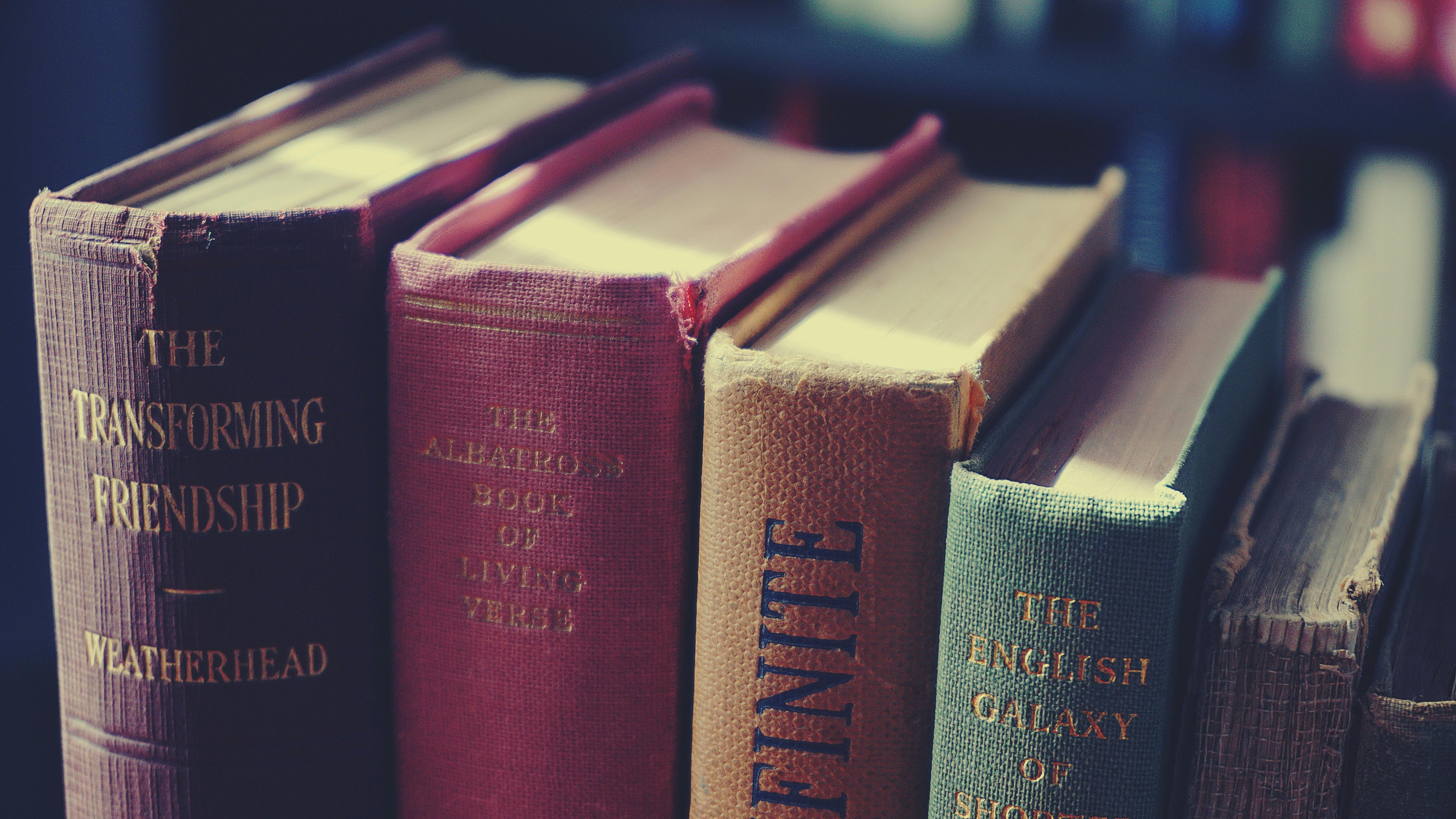
A double entendre is a figure of speech or a particular way of wording that is devised to have a double meaning, of which one is typically obvious, whereas the other often conveys a message that is more subtle or risqué. The phrase derives from French and literally means "double meaning." A double entendre may exploit puns to convey the second meaning.
Double entendres generally rely on multiple meanings of words, or different interpretations of the same primary meaning. They often exploit ambiguity and may be used to introduce it deliberately in a text. Sometimes a double entendre may be used to make a cliché or a tired expression more interesting.
In most cases, one meaning of a double entendre is obvious while the other is less so. However, both meanings are usually plainly understood by the audience and the device is used for comic or rhetorical effect. Some double entendres use word play to convey a message which could otherwise be considered socially awkward or objectionable to express directly.
A double entendre often has a secondary meaning that is risqué, indecent, or ironic. The addressee can be assumed to understand both meanings, but it usually adds to the pleasure of a double entendre that the secondary meaning is latent, deduced by the addressee without being explicitly conveyed.
Key Takeaways
- A double entendre is a phrase with two meanings—one obvious, one hidden (often risqué or ironic).
- Double entendres have been used since ancient times, from Chaucer and Shakespeare to modern advertising.
- They rely on word ambiguity, homophones, or contextual interpretation to create layered meaning.
- Effective in humor, satire, and marketing, double entendres engage audiences through implied meaning.
The history of double entendres
The use of double entendres dates back to ancient times. In The Canterbury Tales, Geoffrey Chaucer used many double entendres for humorous effect. William Shakespeare was also known for his clever use of double entendres, such as in his play Much Ado About Nothing.
The term "double entendre" itself originated in France during the 17th century. It comes from the French phrase "double entente," which means "double meaning" or "double understanding." The term was first used in English in the early 18th century.
Throughout history, double entendres have been used for various purposes, including humor, satire, and social commentary. They have been particularly popular in comedy, where they can be used to make jokes that are both clever and risqué. In modern times, double entendres are still widely used in literature, film, television, and everyday conversation.
Examples of double entendres
Double entendres are often used in jokes and puns. For example, the phrase "I'm on a seafood diet. I see food, and I eat it!" plays on the similar pronunciations of "see food" and "seafood." Another example is the joke "I used to be a banker, but I lost interest," which plays on the double meaning of "interest" as both a financial term and a state of curiosity or engagement.
In literature, double entendres can be used to add depth and complexity to a text. For example, in his play Hamlet, Shakespeare uses a double entendre when Hamlet tells Ophelia, "Get thee to a nunnery." On the surface, this seems to be a straightforward suggestion, but "nunnery" was also a slang term for a brothel in Shakespeare's time.
Related reading: What is accismus? irony lovers, rejoice | What is anadiplosis? Definition, examples, and how to use it | Dysphemism definition: The art of making things sound worse
Double entendres are also commonly used in advertising and marketing. For example, a car company might use the slogan "It's a pleasure to ride" to suggest both the comfort of the car and a sexual innuendo. Similarly, a food company might use the phrase "Taste the difference" to suggest both the superior flavor of their product and a more intimate experience.
In conclusion, double entendres are a clever and often humorous way of conveying multiple meanings in a single phrase. They have been used for centuries in literature, comedy, and everyday conversation, and continue to be a popular rhetorical device today. Whether used for humor, social commentary, or simply to add depth to a text, double entendres are a powerful tool for any writer or speaker.